
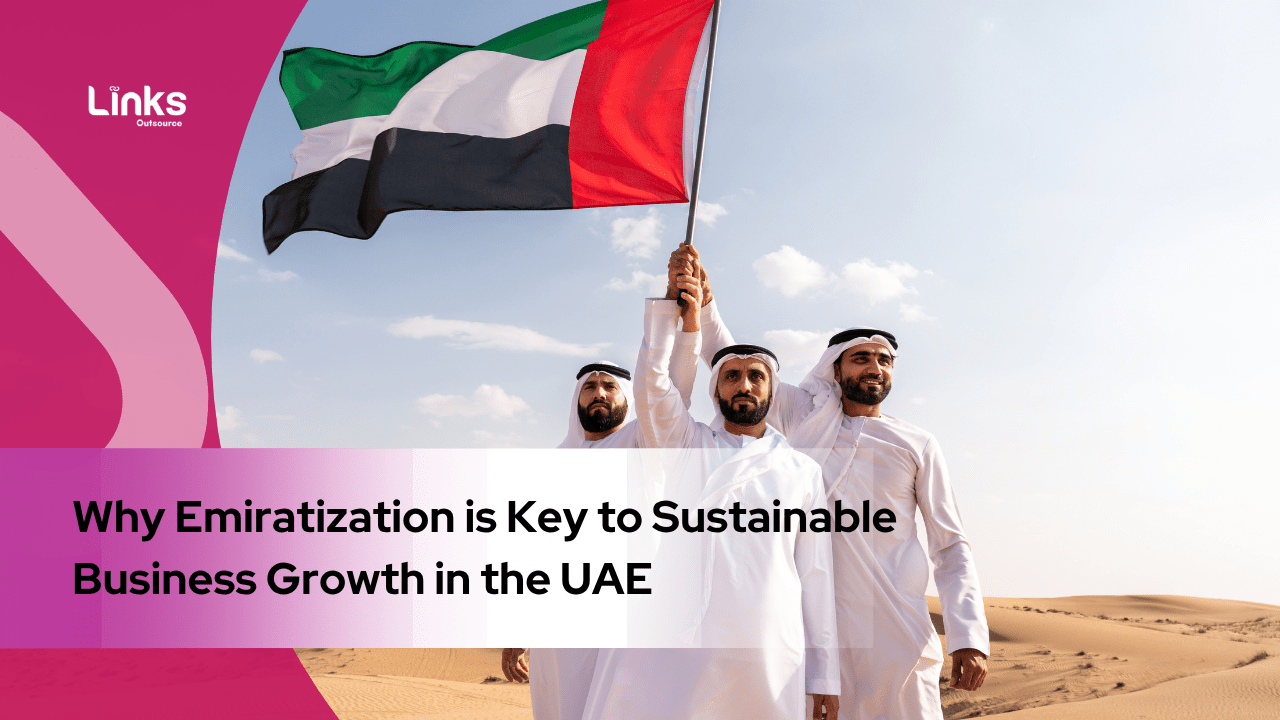
Emiratization is more than a regulatory requirement—it is a long-term strategy shaping the future of the UAE’s economy. By increasing the participation of UAE nationals in the private sector, the government is building a resilient, knowledge-driven workforce that supports sustainable development.
For businesses, Emiratisation is not just about compliance. When implemented strategically, it contributes to stability, innovation, brand reputation, and long-term growth. Companies that embrace Emiratisation as a business advantage—rather than an obligation—are better positioned to succeed in the evolving UAE market.
Understanding Emiratization in the UAE
Emiratization refers to the government initiative that encourages private-sector companies to employ UAE nationals. It is supported by policies, incentives, and programs such as NAFIS.
Key requirements include:
• Companies with 50+ employees must increase Emirati workforce by 1% every six months
• Sector-specific quotas apply to priority industries
• Mandatory registration and reporting through MoHRE and NAFIS
• Salary structures and job roles must align with government standards
• Penalties for non-compliance include fines, permit restrictions, and company downgrades
Understanding these requirements is the first step toward building a sustainable strategy.
How Emiratization Supports Sustainable Business Growth
Emiratization contributes to long-term business success in multiple ways.
1. Strengthening Workforce Stability
Hiring UAE nationals creates a stable workforce that is less dependent on external labour markets.
Benefits include:
• Reduced employee turnover
• Long-term workforce planning
• Stronger organisational loyalty
• Improved continuity in operations
A stable workforce is essential for sustainable growth.
2. Enhancing Corporate Reputation and Trust
Companies that actively support Emiratisation are viewed positively by:
• Government authorities
• Clients and partners
• Local communities
This leads to:
a. Stronger brand positioning
b. Increased trust in the market
c. Better opportunities for partnerships and contracts
A strong reputation directly contributes to business growth.
3. Improving Compliance and Reducing Risks
Meeting Emiratisation requirements ensures businesses remain compliant with UAE labour laws.
Key advantages:
• Avoidance of fines and penalties
• Smooth business operations
• Faster approvals for visas and permits
• Strong relationship with regulatory authorities
Compliance is a critical factor for sustainable operations.
4. Access to Government Incentives and Support
The UAE government offers various incentives to companies hiring Emiratis through programs like NAFIS.
These include:
• Salary support schemes
• Training and development programs
• Hiring subsidies
• Access to Emirati talent pools
These benefits reduce hiring costs and support business expansion.
5. Driving Innovation and Local Market Insight
Emirati employees bring valuable insights into the local market, culture, and business environment.
This helps businesses:
• Understand customer behavior better
• Develop culturally relevant products and services
• Improve communication with local stakeholders
• Strengthen market positioning
Innovation driven by local knowledge leads to sustainable growth.
6. Supporting Long-Term Economic Vision
By contributing to Emiratisation, businesses align with the UAE’s national vision for economic diversification and workforce development.
This alignment ensures:
• Long-term business sustainability
• Government support and cooperation
• Participation in national growth initiatives
Companies that align with national goals are more likely to succeed.
7. Building a Future-Ready Workforce
Emiratization encourages companies to invest in training and development.
Key initiatives include:
a. Leadership development programs
b. Skill-building workshops
c. Mentorship opportunities
d. Career progression pathways
This creates a highly skilled and future-ready workforce.
How to Implement an Effective Emiratization Strategy
To maximize benefits, businesses should adopt a structured approach.
Step-by-step strategy:
- Assess workforce needs and identify roles for Emiratis
- Develop recruitment plans targeting UAE nationals
- Partner with recruitment agencies or outsourcing providers
- Align HR policies with Emiratisation requirements
- Invest in training and development programs
- Monitor quotas and compliance regularly
This approach ensures both compliance and growth.
Role of HR Outsourcing in Emiratization
HR outsourcing simplifies the entire Emiratisation process.
Key benefits:
• Faster Emirati hiring and onboarding
• Accurate NAFIS registration
• Payroll and GPSSA management
• Compliance tracking and reporting
• Reduced internal HR workload
Outsourcing allows businesses to focus on strategy while experts manage execution.
Common Challenges and How to Overcome Them
Businesses often face challenges when implementing Emiratisation.
Common challenges:
• Difficulty in finding qualified Emirati candidates
• High competition for talent
• Compliance complexities
• Administrative workload
Solutions:
a. Use specialized recruitment channels
b. Offer competitive compensation
c. Invest in training programs
d. Outsource HR and compliance tasks
Overcoming these challenges ensures long-term success.
Final Thoughts
Emiratization is a powerful driver of sustainable business growth in the UAE. It strengthens workforce stability, enhances brand reputation, ensures compliance, and aligns businesses with national goals. Companies that embrace Emiratisation as a strategic initiative—not just a requirement—unlock new opportunities for growth, innovation, and long-term success.
By combining structured planning, smart recruitment, and HR outsourcing, businesses can transform Emiratisation into a competitive advantage.