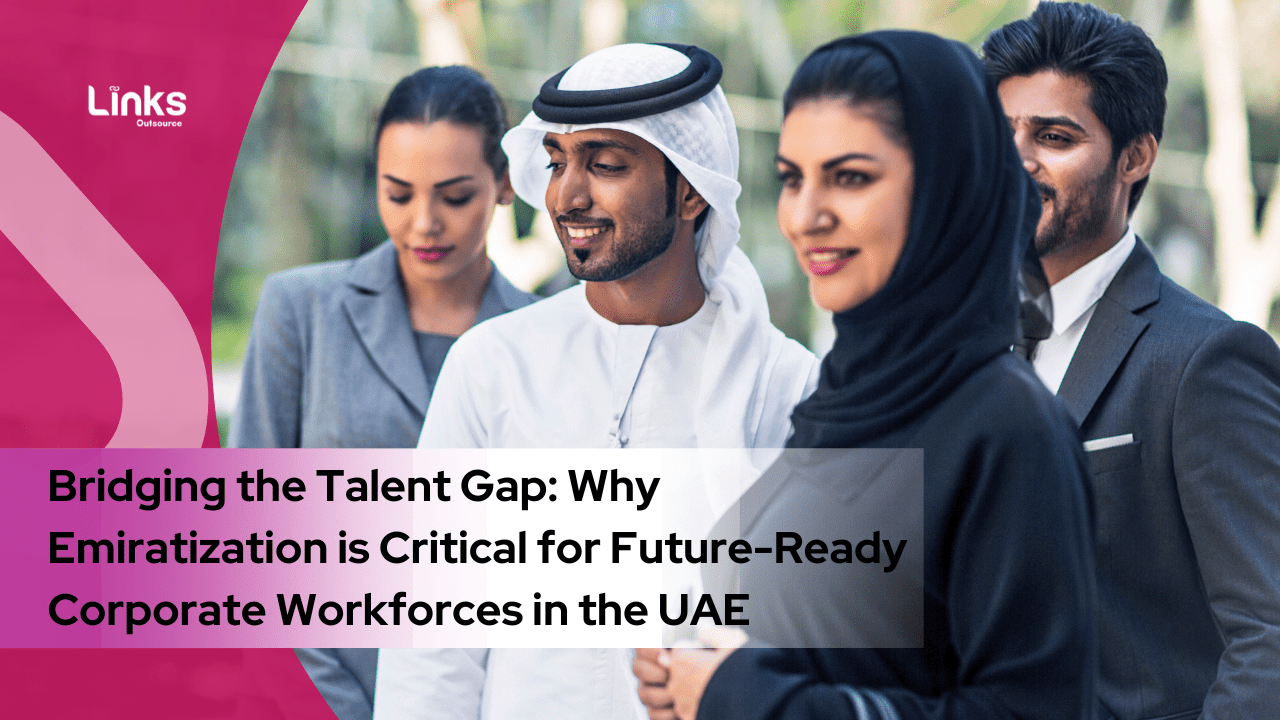
Bridging the Talent Gap: Why Emiratization is Critical for Future-Ready Corporate Workforces in the UAE
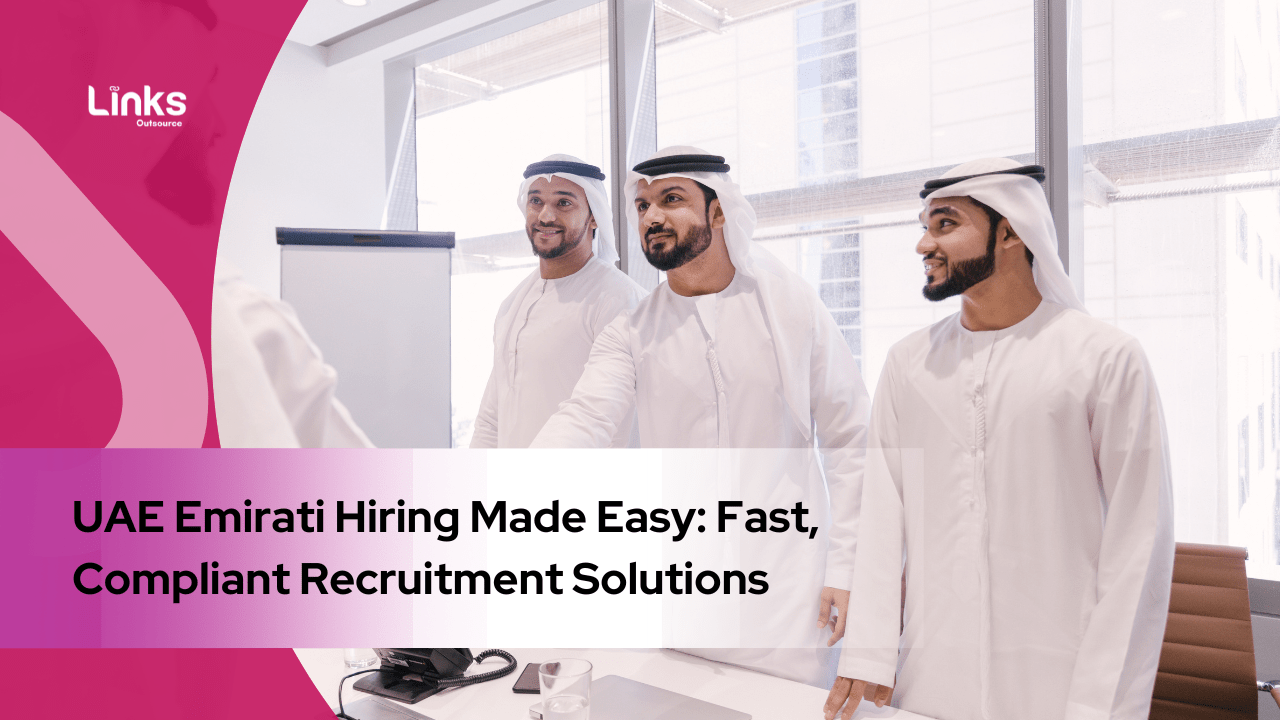
The UAE’s corporate landscape is evolving rapidly. As industries adopt digital transformation, automation, AI-driven systems, and new business models, companies are facing one major challenge: the growing talent gap. Businesses across the UAE are competing for skilled professionals who can support long-term innovation, productivity, and economic growth. To address this challenge, the UAE government continues to prioritize Emiratisation as a strategic national initiative. Emiratisation is no longer viewed only as a compliance requirement—it is becoming a core workforce strategy that helps companies build resilient, sustainable, and future-ready teams. For businesses aiming to remain competitive in 2026 and beyond, integrating Emirati talent into corporate workforces is essential for long-term success. Understanding the Talent Gap in the UAE The talent gap refers to the mismatch between workforce demand and available skilled professionals. Major factors contributing to the gap include: • Rapid technological advancement• Increased demand for digital skills• Workforce transformation across industries• High competition for specialized talent• Evolving business expectations• Dependence on overseas hiring As companies modernize operations, the need for locally developed and sustainable talent becomes increasingly important. What Is Emiratisation? Emiratisation is a UAE government initiative designed to increase the participation of UAE nationals in the private sector workforce. Key objectives include: Current Emiratisation requirements: • Companies with 50+ employees must increase Emirati workforce by 1% every six months• Sector-specific quotas apply to priority industries• Compliance is monitored through MoHRE and NAFIS systems• Non-compliance results in financial penalties and permit restrictions However, beyond compliance, Emiratisation offers major strategic advantages for businesses. Why Emiratisation Is Critical for Future-Ready Workforces 1. Building a Sustainable Local Talent Pipeline One of the biggest benefits of Emiratisation is workforce sustainability. How it helps: • Develops long-term local expertise• Reduces reliance on external labour markets• Strengthens organizational continuity• Creates stable talent pipelines for future growth Companies investing in Emirati talent today are preparing for tomorrow’s workforce demands. 2. Supporting Knowledge-Based Economic Growth The UAE’s economic vision focuses heavily on innovation and knowledge-driven industries. High-growth sectors include: • Artificial Intelligence• Technology and cybersecurity• Renewable energy• Healthcare and biotechnology• Financial services Emirati professionals are increasingly entering these industries, contributing to innovation and national development. 3. Improving Workforce Stability and Retention Long-term workforce stability is essential for sustainable business operations. Benefits of Emirati workforce integration: a. Lower turnover ratesb. Stronger employee loyaltyc. Better cultural alignmentd. Improved internal continuity Stable teams improve operational efficiency and reduce recruitment costs. 4. Enhancing Corporate Reputation and Government Relations Companies actively supporting Emiratisation strengthen their reputation with: • Government authorities• Clients and investors• Local communities• Strategic business partners This leads to: • Better market positioning• Increased trust and credibility• Improved business opportunities Organizations aligned with national goals are often viewed more favorably. 5. Closing the Skills Gap Through Training and Development Many companies now focus on developing Emirati talent internally. Effective strategies include: This approach creates a highly skilled workforce aligned with future business needs. 6. Supporting Digital Transformation Initiatives Digital transformation requires employees who understand both technology and local market dynamics. Emirati professionals contribute through: • Cultural and market insights• Adaptability to new technologies• Long-term strategic involvement Combining technology with local expertise strengthens business performance. 7. Ensuring Compliance and Reducing Business Risks Emiratisation compliance is becoming increasingly important. Failure to meet targets can result in: • Financial penalties• Labour restrictions• Company downgrades• Delays in approvals and permits A proactive Emiratisation strategy helps businesses avoid operational disruptions. How Businesses Can Build a Future-Ready Emiratisation Strategy To maximize the benefits of Emiratisation, companies should adopt a structured approach. Step 1: Identify Workforce Gaps Assess which departments and roles require Emirati talent integration. Step 2: Invest in Emirati Recruitment Partner with specialized recruitment agencies and Emirati hiring platforms. Step 3: Develop Career Pathways Provide clear growth opportunities for UAE nationals. Step 4: Leverage HR Outsourcing Use outsourcing partners for:• Recruitment• Payroll• Compliance management• NAFIS registration• GPSSA administration Step 5: Monitor Progress Regularly Track quotas, retention, training outcomes, and compliance requirements. This approach ensures long-term workforce sustainability. Role of HR Outsourcing in Emiratisation Success HR outsourcing providers play a critical role in helping businesses implement Emiratisation effectively. Key outsourcing benefits include: • Faster Emirati recruitment• Reduced HR workload• Compliance monitoring• Accurate payroll and pension processing• Workforce planning support Outsourcing simplifies administration while ensuring businesses remain compliant. Industries Leading Emiratisation Growth Several industries are aggressively investing in Emirati talent. Key sectors include: • Banking and finance• Technology and IT• Healthcare• Retail and customer service• Government-related services• Energy and sustainability sectors These industries are shaping the future corporate workforce of the UAE. Final Thoughts Emiratisation is more than a workforce policy—it is a long-term business strategy that helps organizations bridge the talent gap, strengthen sustainability, and build future-ready corporate teams. Companies that actively invest in Emirati talent are not only supporting the UAE’s economic vision but also creating stronger, more resilient businesses prepared for the future of work. By combining strategic hiring, workforce development, and HR outsourcing support, organizations can transform Emiratisation into a major competitive advantage.