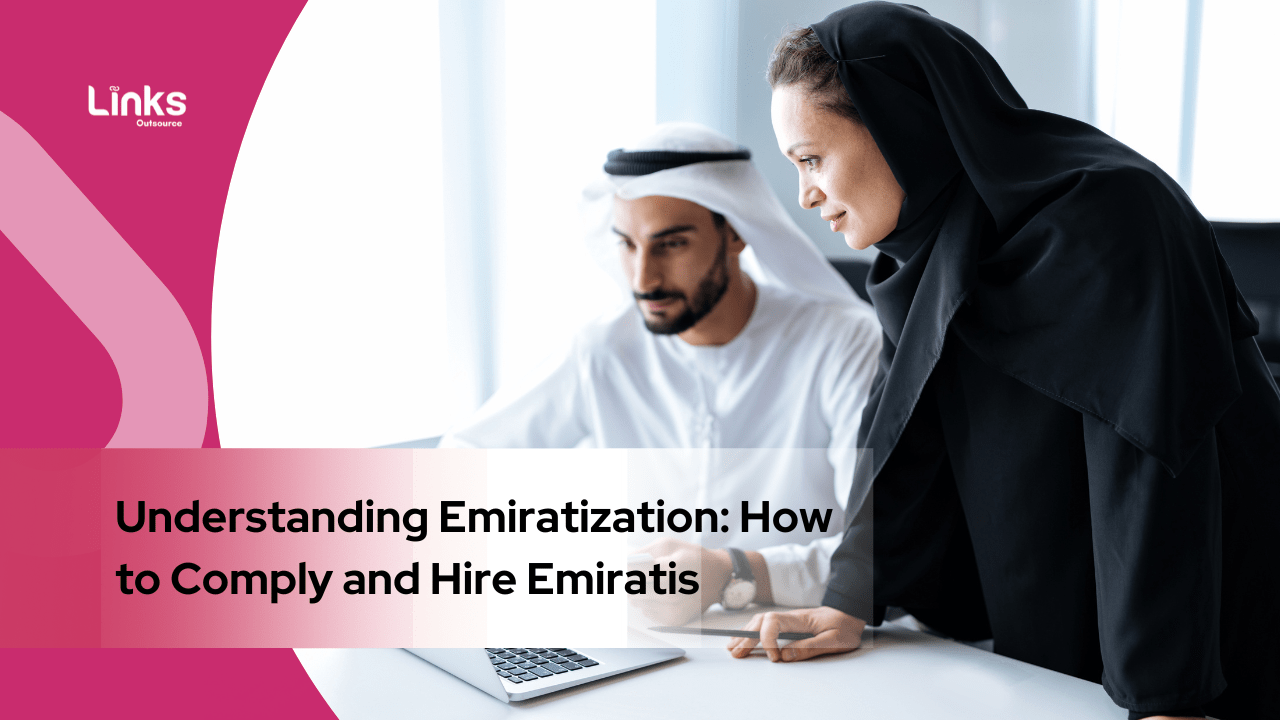
Understanding Emiratization: How to Comply and Hire Emiratis
Emiratization is a strategic initiative by the United Arab Emirates (UAE) government aimed at increasing the participation of Emirati nationals in the private sector workforce. As part of the UAE’s Vision 2030, this policy seeks to reduce reliance on expatriate labor, empower local talent, and foster sustainable economic growth. For businesses operating in the UAE, understanding emiratization and complying with Emiratization requirements is not only a legal obligation but also an opportunity to contribute to national development while building a diverse and skilled workforce. In this article, we’ll explore what Emiratization entails, its objectives, compliance requirements, and practical strategies for hiring and retaining Emirati talent effectively. Understanding Emiratization? Emiratization refers to the UAE government’s efforts to integrate Emirati citizens into key roles within the private sector. Historically, the private sector has been dominated by expatriates, with Emiratis primarily employed in government positions. To address this imbalance, the UAE introduced Emiratization policies to encourage private companies to hire and develop local talent. The program focuses on sectors such as banking, finance, telecommunications, energy, and retail, where Emirati representation is particularly encouraged. It also emphasizes leadership and managerial roles, ensuring that Emiratis are equipped with the skills needed to drive innovation and growth. Objectives of Emiratization Legal Framework and Compliance Requirements To ensure compliance with Emiratization, the UAE government has established clear guidelines and quotas for private sector companies. Here’s an overview of the key requirements: 1. Quota System 2. Tawteen Program 3. Penalties for Non-Compliance 4. Reporting Obligations 5. Nafis Program How to Hire Emiratis Effectively While compliance with Emiratization is mandatory, hiring Emiratis should be viewed as an opportunity to strengthen your organization. Here are practical steps to attract, onboard, and retain Emirati talent: 1. Understand the Skills and Preferences of Emiratis 2. Partner with Government Programs 3. Offer Competitive Compensation Packages 4. Provide Training and Mentorship 5. Create an Inclusive Work Environment 6. Highlight Career Advancement Opportunities 7. Leverage Technology for Recruitment Challenges in Hiring Emiratis While Emiratization offers numerous benefits, businesses may encounter challenges during implementation. Here are some common hurdles and solutions: 1. Limited Pool of Candidates 2. Cultural Misalignment 3. Retention Issues 4. Cost of Implementation Benefits of Emiratization for Businesses Complying with Emiratization not only fulfills legal obligations but also provides several advantages for businesses: Conclusion Emiratization is more than just a regulatory requirement, it’s a commitment to shaping the future of the UAE. By embracing this initiative, businesses can play a pivotal role in empowering Emirati talent, driving economic diversification, and contributing to national prosperity. To succeed in Emiratization, companies must adopt a proactive approach, combining compliance with genuine efforts to attract, develop, and retain Emirati employees. By doing so, they not only fulfill their legal obligations but also position themselves as leaders in creating a sustainable and inclusive workforce. As the UAE continues to evolve as a global hub for business and innovation, Emiratization represents a shared journey toward progress and success. By investing in Emirati talent today, businesses can build a brighter tomorrow for themselves and the nation.