
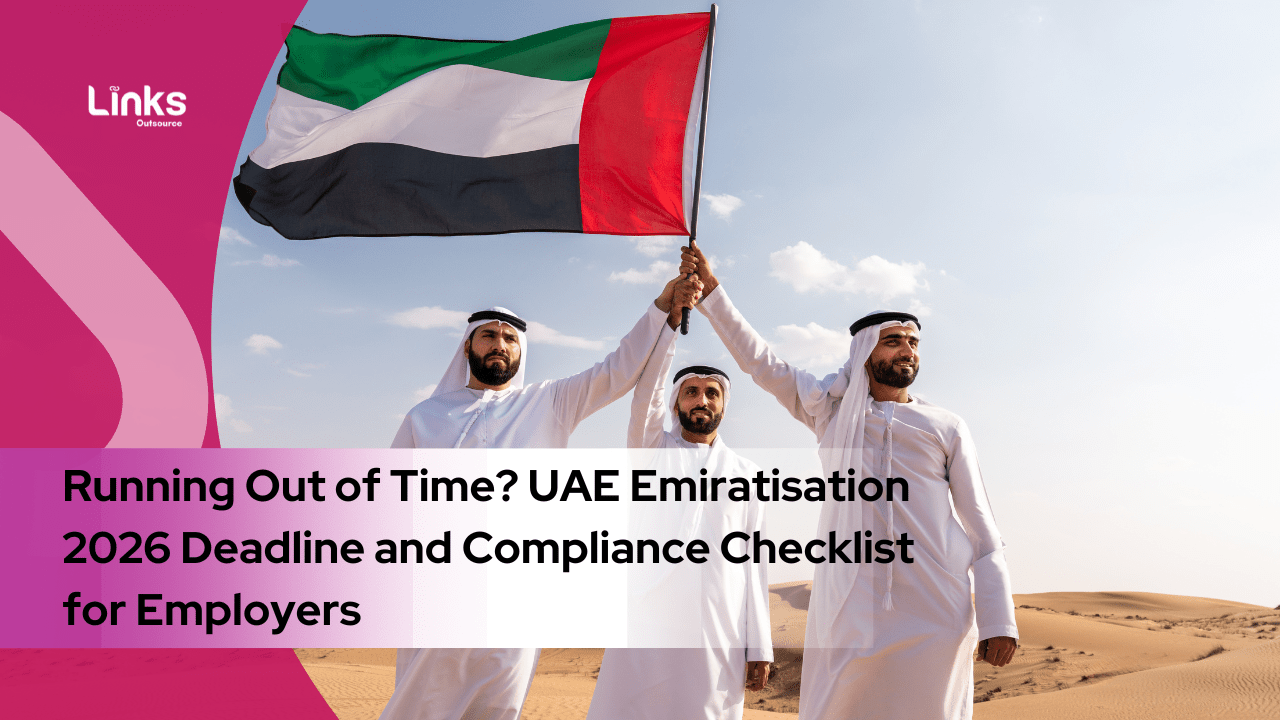
As the UAE continues to strengthen its workforce nationalisation strategy, employers are under increasing pressure to meet Emiratisation targets. With stricter enforcement measures, higher penalties, and enhanced compliance monitoring, businesses that delay action risk significant financial and operational consequences.
For many companies, especially those with growing workforces, the challenge is not understanding Emiratisation requirements—it is implementing them quickly and effectively before deadlines arrive.
If your business is still behind on Emirati hiring targets, now is the time to act. This guide explains the UAE Emiratisation 2026 requirements and provides a practical compliance checklist to help employers avoid penalties and stay on track.
Understanding UAE Emiratisation Requirements in 2026
Emiratisation is a government initiative designed to increase the participation of UAE nationals in the private sector workforce. The program plays a key role in supporting the UAE’s long-term economic vision by developing local talent and reducing dependence on expatriate labour.
Current Emiratisation Requirements
Private-sector companies must comply with workforce nationalisation targets established by the Ministry of Human Resources and Emiratisation (MoHRE).
Key requirements include:
• Companies with 50 or more employees must increase Emirati workforce representation according to government targets.
• Eligible Emirati employees must be properly registered through NAFIS and relevant government systems.
• Employers must ensure compliance with payroll, pension, and employment regulations.
• Accurate workforce records and documentation must be maintained at all times.
Failure to comply can result in financial penalties and administrative restrictions.
Why Emiratisation Compliance Is More Important Than Ever
The UAE government is placing greater emphasis on workforce nationalisation across various sectors.
Key Reasons Employers Must Prioritise Compliance
1. Avoid Financial Penalties
Businesses that fail to meet required Emiratisation targets may face substantial fines for each missing Emirati employee.
2. Prevent Labour Restrictions
Non-compliant companies may encounter restrictions related to:
• Work permit approvals
• Labour file services
• Business expansion activities
3. Protect Business Reputation
Supporting Emiratisation demonstrates commitment to national development and strengthens corporate credibility.
4. Improve Government Relations
Compliant organisations often benefit from smoother interactions with government authorities and regulatory bodies.
Signs Your Business May Be Falling Behind
Many organisations assume they have sufficient time to meet Emiratisation requirements until deadlines approach.
Common Warning Signs Include:
• No active Emirati recruitment strategy
• Difficulty finding qualified Emirati candidates
• Lack of workforce planning for nationalisation targets
• Delayed NAFIS registration processes
• Limited internal HR resources dedicated to compliance
• No regular monitoring of Emiratisation progress
If any of these challenges sound familiar, immediate action is recommended.
UAE Emiratisation 2026 Compliance Checklist for Employers
Use the following checklist to assess your organisation’s readiness.
Step 1: Review Current Workforce Numbers
Start by conducting a workforce audit.
Review:
• Total employee headcount
• Number of Emirati employees currently employed
• Required Emiratisation targets
• Departments suitable for Emirati hiring
A workforce assessment provides a clear picture of your compliance status.
Step 2: Identify Suitable Roles for Emirati Talent
Not every position requires the same recruitment strategy.
Common roles filled by Emirati professionals include:
• Human Resources
• Administration
• Customer Service
• Finance and Banking
• Government Relations
• Information Technology
• Sales and Business Development
Identifying target roles helps accelerate recruitment efforts.
Step 3: Strengthen Your Emirati Recruitment Strategy
Recruitment delays are one of the biggest reasons companies miss targets.
Effective hiring strategies include:
- Partnering with Emirati recruitment specialists
- Accessing Emirati talent databases
- Participating in NAFIS initiatives
- Attending career fairs and university programs
- Building an attractive employer brand
Proactive recruitment improves hiring success rates significantly.
Step 4: Ensure NAFIS and Documentation Compliance
Every Emirati hire must be properly documented.
Verify the following:
• Employment contracts are compliant
• NAFIS registrations are completed
• Employee records are updated
• Payroll information is accurate
• Pension registration requirements are met
Administrative accuracy is critical for compliance.
Step 5: Review Payroll and Benefits Processes
Payroll compliance remains a major focus area for authorities.
Ensure:
• Salaries are processed correctly through WPS where applicable
• Employee benefits are documented properly
• GPSSA obligations are fulfilled
• Payroll records are maintained accurately
Errors in payroll administration can create compliance risks.
Step 6: Focus on Retention, Not Just Hiring
Meeting quotas is not simply about recruitment.
Retention strategies should include:
a. Career development opportunities
b. Training and professional growth programs
c. Mentorship initiatives
d. Leadership development pathways
e. Competitive compensation structures
Long-term retention supports sustainable compliance.
Step 7: Consider HR Outsourcing Support
Many businesses struggle with compliance because of limited internal resources.
HR Outsourcing Can Help With:
• Emirati recruitment and onboarding
• Workforce planning
• Payroll administration
• Compliance monitoring
• NAFIS support
• HR documentation management
Professional support can significantly reduce compliance risks.
Common Emiratisation Mistakes Employers Should Avoid
Even businesses with strong intentions can make costly mistakes.
Avoid These Common Errors:
• Waiting until the last minute to hire
• Hiring without a retention strategy
• Incomplete documentation and registrations
• Failing to track workforce targets regularly
• Ignoring payroll and pension obligations
• Treating Emiratisation as a one-time project rather than an ongoing workforce strategy
A proactive approach delivers far better results than reactive hiring.
Building a Long-Term Emiratisation Strategy
Successful companies view Emiratisation as an investment rather than a compliance burden.
Long-Term Benefits Include:
• Stronger workforce sustainability
• Access to local market expertise
• Improved employer reputation
• Better government relationships
• Reduced regulatory risks
• Enhanced organisational resilience
Businesses that integrate Emiratisation into workforce planning gain a competitive advantage over time.
Final Thoughts
The UAE Emiratisation 2026 requirements are becoming increasingly important for private-sector employers. With stricter enforcement, rising penalties, and enhanced compliance monitoring, businesses cannot afford to delay action.
Employers should use this opportunity to review workforce plans, strengthen recruitment strategies, improve compliance processes, and invest in long-term Emirati talent development.
The companies that act now will not only avoid penalties but also build stronger, future-ready workforces that contribute to sustainable business growth and the UAE’s economic vision.