
Links outsource

UAE Crackdown on Bogus Emiratization : 824 Fake Jobs, 565 Firms
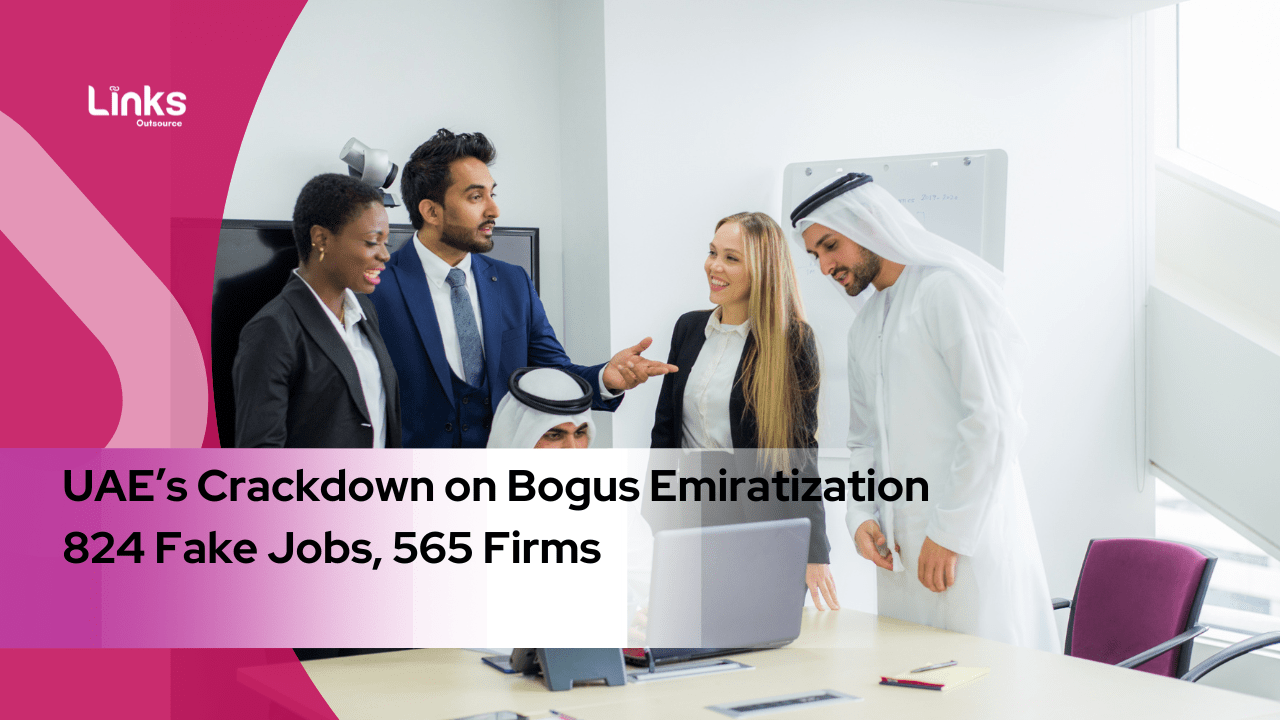
UAE’s Crackdown on Bogus Emiratization 824 Fake Jobs, 565 Firms

The UAE has issued a clear and powerful message to private sector employers: Emiratization quotas are not optional and certainly not for manipulation. In a high-impact enforcement campaign UAE Crackdown on Bogus Emiratization, the Ministry of Human Resources and Emiratisation (MoHRE) discovered that 565 companies had collectively created 824 fake Emirati jobs, attempting to appear compliant without offering genuine employment opportunities. This crackdown marks one of the strongest actions yet under the country’s national Emiratization strategy and serves as a wake-up call for all businesses operating in the UAE. UAE Crackdown on Bogus Emiratization, What Happened? Between mid-2022 and early 2024, MoHRE conducted digital audits, cross-checked workforce data, and performed on-ground inspections. The result: hundreds of businesses were exposed for fraudulently listing Emiratis as employees—while in reality, these individuals held no active role, no assigned duties, and no day-to-day involvement in the company. These false hires were made primarily to: The Consequences Were Immediate MoHRE did not hold back. Offending companies faced: These penalties go beyond financial loss they directly disrupt business operations and long-term credibility in the market. Why Emiratization Is Not Just a Number The Emiratization program was launched to ensure meaningful employment opportunities for UAE nationals in the private sector. The vision is long-term, aiming to diversify the national workforce and reduce dependence on expatriate labor. For mainland companies with 50 or more employees, the law mandates: Creating fake jobs undermines this mission and now, more than ever, comes with legal and reputational risk. What Can Businesses Learn From This? 1. Genuine Roles Only Every Emirati employee must have a valid contract, real responsibilities, and documented proof of employment—such as attendance logs and payroll history. 2. Proper Use of Nafis Nafis incentives—like salary support and upskilling funds—are designed to build careers, not to manipulate quotas. Misuse can lead to blacklisting. 3. Stay Ahead of Inspections MoHRE is deploying AI, payroll audits, and visa tracking to identify violations. Don’t wait for a notice—conduct internal checks regularly. 4. Avoid “Token Hires” Simply giving an Emirati employee a title without involving them in meaningful work will be flagged. Ensure job roles are productive, supervised, and performance-based. Smart Compliance Strategies Action Point What to Do Recruit Authentically Assign Emiratis to real roles with defined job descriptions Document Everything Keep employment contracts, attendance logs, and performance reviews updated Audit Nafis Usage Match every subsidy to a real hire with proper documentation Seek Expert Guidance Work with Emiratization compliance consultants or legal advisors The Opportunity in Doing It Right Complying with Emiratization isn’t just about avoiding fines it opens doors. Businesses that embrace the policy will benefit from: Final Word: Don’t Be Next The exposure of 565 companies and 824 fake roles proves that the UAE is actively monitoring and taking strict action against non-compliance. Companies that engage in superficial hiring practices not only risk fines but also damage their long-term business potential. To future-proof your business in the UAE, treat Emiratization as a strategic initiative, not just a regulatory obligation.
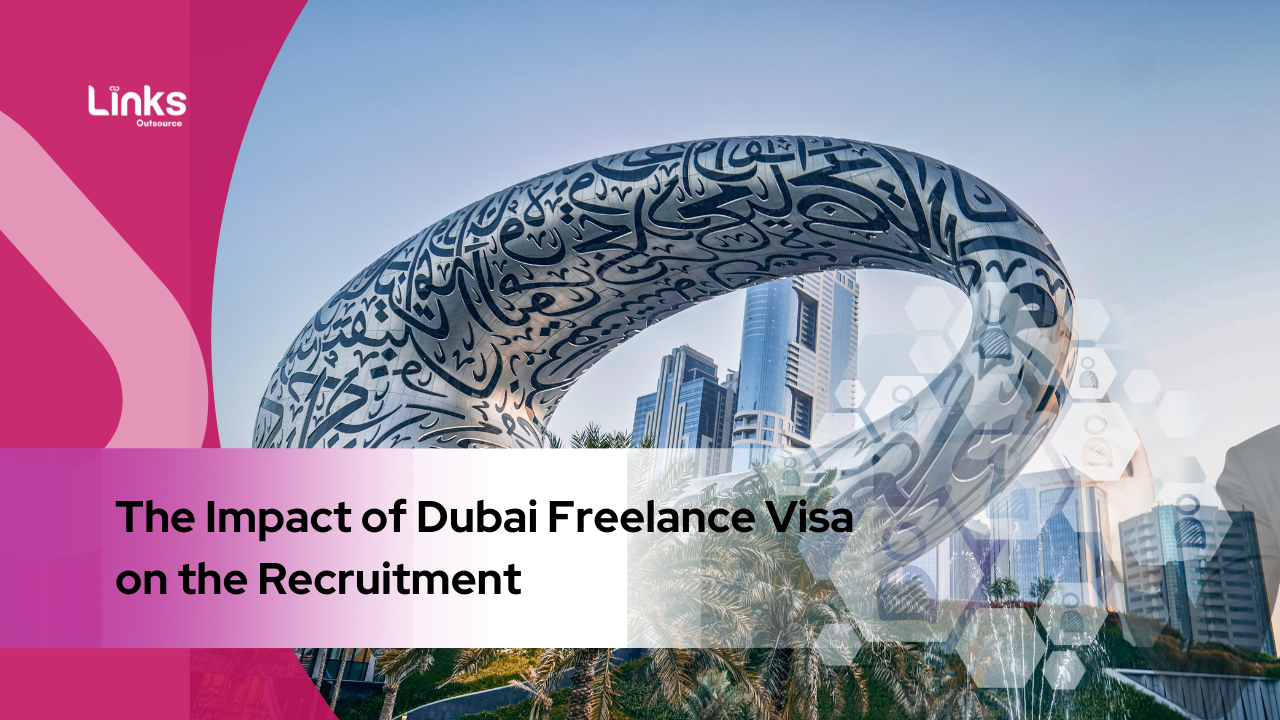
The Impact of Dubai Freelance Visa on the Recruitment

The Impact of Dubai Freelance Visa on the Recruitment

Dubai, a city synonymous with ambition and innovation, has long been a magnet for global talent. In recent years, its introduction of the Freelance Visa has further solidified its reputation as a forward-thinking hub for independent professionals. Launched as part of Dubai’s broader economic diversification strategy, this visa allows freelancers to operate legally without traditional corporate sponsorship, disrupting both the gig economy and the recruitment industry. Coupled with the rise of outsourcing travel services, Dubai is not only attracting skilled professionals but also ensuring their seamless transition into the emirate. This blog delves into the transformative effects of the Freelance Visa on recruitment practices and explores how travel outsourcing is redefining relocation experiences. Understanding Dubai’s Freelance Visa: A Gateway to Opportunity Dubai’s Freelance Visa, introduced by entities like the Dubai Development Authority (DDA) and free zones such as Dubai Multi Commodities Centre (DMCC) and TECOM, caters to over 47 sectors, including IT, media, education, consulting, and design. Unlike traditional employment visas, it eliminates the need for a local sponsor, granting freelancers full control over their business operations. Key features include: This policy aligns with the UAE’s vision to become a global leader in the gig economy, which is projected to grow by 17% annually in the MENA region. By 2023, Dubai attracted over 30,000 freelancers, drawn by tax-free income and world-class infrastructure. Impact on the Recruitment Industry: A Paradigm Shift 1. The Rise of the Flexible Workforce Companies in Dubai are increasingly shifting from long-term hires to project-based freelancers to reduce overhead costs and adapt to market volatility. For instance, tech startups now hire freelance AI developers for short-term projects, saving up to 30% compared to full-time salaries. 2. Evolving Talent Acquisition Strategies Recruiters are adopting agile methodologies, leveraging AI tools like Entelo and HireVue to match freelancers with roles requiring niche skills. For example, a Dubai-based marketing firm used AI-driven analytics to hire a freelance social media strategist within 48 hours, reducing time-to-hire by 60%. Metrics now emphasize project success rates and freelancer retention, pushing agencies to prioritize relationship management and continuous upskilling. 3. Challenges for Traditional Recruitment Firms Legacy agencies face existential threats if they resist adaptation. A 2022 survey by Gulf Talent revealed that 65% of traditional firms saw a decline in permanent placement revenues. However, pioneers like Robert Walters have thrived by integrating freelance divisions, offering hybrid models that blend temporary and permanent staffing. 4. Emerging Opportunities in Freelancer Management New revenue streams are emerging in payroll management, legal compliance, and benefits administration. Startups like Dubai Freelance Hub partner with insurers to offer affordable health plans, while fintech platforms like Payoneer simplify cross-border payments. Recruitment agencies also collaborate with coworking spaces like Nest and A4 Space to host networking events, fostering community among freelancers. Outsourcing Travel: The Secret to Stress-Free Relocation Relocating to Dubai, while exciting, can be daunting. Outsourcing travel logistics has become a game-changer, with specialized services handling everything from visa processing to cultural integration. 1. Visa and Documentation Assistance Our processes, ensures freelancers meet requirements such as medical tests and Emirates ID registration. 2. Smart Accommodation Solutions Platforms like Airbnb and Dubizzle provide flexible housing options, while services like Serviced Apartments Dubai offer curated, fully furnished units in areas like Dubai Marina and Business Bay. Co-living spaces like The Collective cater to digital nomads, combining affordability with community-building opportunities. 3. Seamless Local Integration Travel outsourcers partner with cultural consultancies to offer orientation tours, Arabic language classes, and networking mixers. Apps like Careem and Dubai Metro streamline transportation, while Eat App helps newcomers discover local dining hotspots. 4. Cost and Time Efficiency A study by our experts found that freelancers using travel outsourcing services save an average of 15 hours per week on administrative tasks. Bulk negotiation with service providers also reduces relocation costs by up to 20%, allowing freelancers to allocate resources to business growth. The Bigger Picture: Dubai’s Vision for a Dynamic Future Dubai’s Freelance Visa and the rise of travel outsourcing align with its Dubai 2040 Urban Master Plan, which prioritizes sustainable economic growth and quality of life. By attracting global talent, the emirate enriches its cultural fabric and drives innovation in sectors like fintech and green energy. The recruitment industry’s evolution mirrors this shift, emphasizing agility and specialization. Future Trends to Watch Conclusion Dubai’s Freelance Visa has redefined the recruitment landscape, fostering a flexible, project-driven economy that benefits businesses and professionals alike. Simultaneously, travel outsourcing has dismantled relocation barriers, positioning Dubai as a frictionless destination for global talent. As the emirate continues to innovate, the synergy between these sectors will propel its ascent as a leading hub for the future of work. For freelancers and recruiters, the message is clear: adapt, outsource, and thrive in Dubai’s dynamic ecosystem.

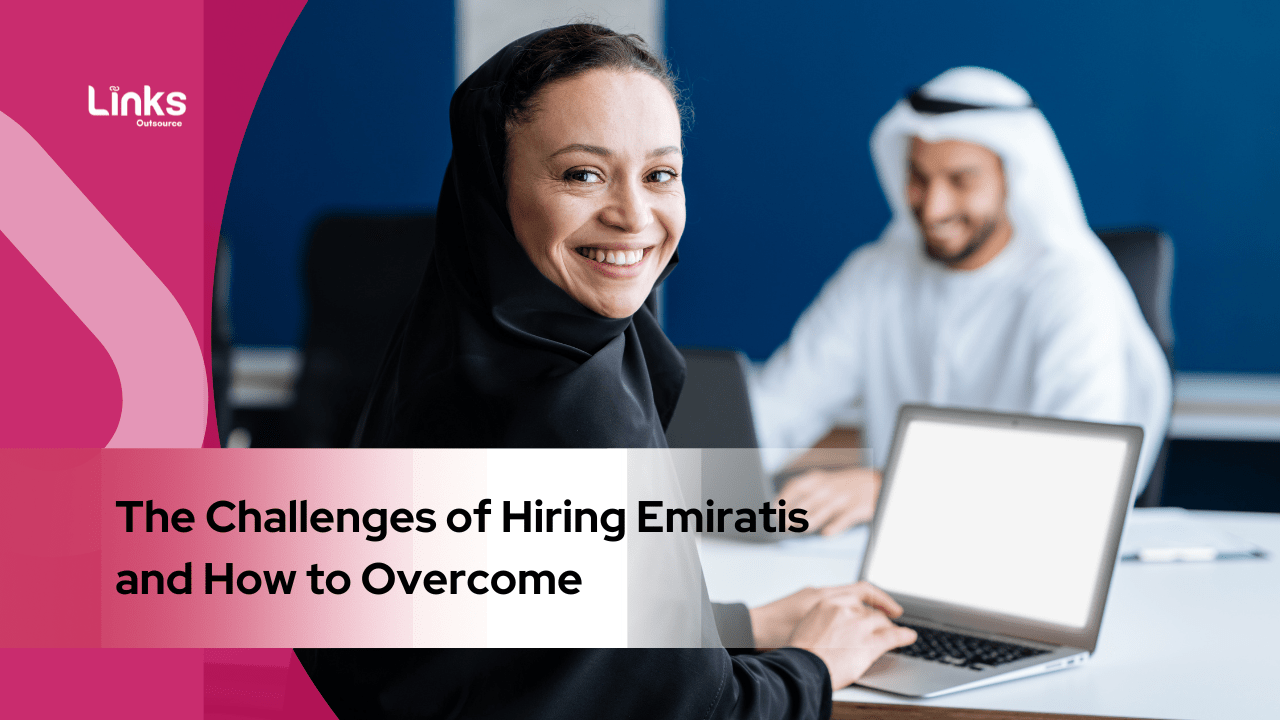
The Challenges of Hiring Emiratis and How to Overcome

The Challenges of Hiring Emiratis and How to Overcome

As the United Arab Emirates (UAE) continues to establish itself as a global economic powerhouse, the importance of hiring local talent has never been more pronounced. The Emiratization initiative drives businesses to invest in Emirati professionals, aiming to develop a workforce that reflects the nation’s demographics. However, hiring Emiratis comes with its share of challenges. This blog discusses these challenges and offers practical solutions to overcome them, highlighting how partnering with Links Outsource can facilitate the hiring process. Understanding Emiratization Emiratization is a government-led initiative designed to ensure that Emiratis are fairly represented in the workforce, particularly in the private sector. This movement is crucial for economic diversification, reducing dependency on foreign labor, and promoting sustainable growth. However, companies often find it challenging to integrate Emiratis into their workforce. Common Challenges in Hiring Emiratis One of the primary challenges is the skills gap between the qualifications held by Emiratis and the requirements of the job market. The traditional education system may not always align with the demands of various industries, leading to a disconnect between what employers need and what potential candidates can offer. The UAE job market is highly competitive. Many expatriates seek opportunities in the UAE, which often leads to a preference for hiring foreign talent with certain skill sets and experience levels. This creates an environment where Emiratis may struggle to secure positions despite their potential. Cultural perceptions can also influence hiring practices. Some employers may hold preconceived notions about Emiratis’ work ethics or capabilities, which can lead to biases in recruitment. This can deter them from considering Emiratis for positions, regardless of their actual qualifications. Internship programs and on-the-job training opportunities are crucial for nurturing local talent. However, many organizations do not offer these avenues, which results in Emiratis lacking the practical experience needed to enter the workforce confidently. Navigating the regulatory landscape related to employment in the UAE can be complex, especially for businesses unfamiliar with Emiratization policies. Companies might hesitate to hire Emiratis due to a lack of understanding of their rights and the benefits of providing training and development opportunities. Even after successfully hiring Emiratis, retaining them can be a challenge. Many Emiratis seek career growth and professional development opportunities, and if organizations do not provide pathways for advancement, they may lose valuable talent. Strategies to Overcome Hiring Challenges Building partnerships with universities and vocational training institutions can help employers understand the educational qualifications of Emiratis. Collaborating on curriculum development can also ensure that training programs align with industry needs. Offering internships or co-op programs will provide Emiratis with valuable hands-on experience while allowing companies to gauge their potential. Creating targeted recruitment programs specifically for Emiratis can help organizations attract local talent. This can include hosting job fairs, engaging with local communities, or offering pipeline programs that cater to young Emirati graduates. Tailoring recruitment strategies will not only increase the number of applicants but also enhance the quality of candidates. Emphasizing inclusivity within the workplace can help dispel negative stereotypes and create a conducive environment for Emiratis to thrive. Organizations should develop diversity and inclusion training programs to educate employees about cultural sensitivities and biases. Encouraging collaboration among Emiratis and expatriates can foster understanding and strengthen workplace dynamics. Establishing robust training and development programs is vital for addressing the skills gap. Companies should invest in continuous professional development initiatives to help Emiratis grow their skill sets and gain the necessary qualifications for career advancement. Mentorship programs that pair Emirati employees with experienced professionals can further bridge the gap between education and practical experience. To attract Emirati talent, organizations should streamline their recruitment processes. Simplifying application procedures and ensuring responsiveness during recruitment can create a positive candidate experience. Transparent communication about job expectations and career advancement opportunities will also encourage Emiratis to apply. Organizations need to comprehend the nuances of Emiratization regulations. By ensuring compliance with local laws, companies can mitigate risks while benefiting from government incentives designed to encourage the hiring of Emiratis. Working with an HR consultant who specializes in Emiratization can provide valuable insights, ensuring organizations align their hiring practices with regulatory requirements. Engage with Links Outsource Outsourcing human resources functions can be a game-changer for companies looking to hire Emiratis. Partnering with outsourcing services brings numerous advantages, including: Conclusion Hiring Emiratis presents significant opportunities and challenges for multinational companies operating in the UAE. While the Emiratization initiative aims to create a balanced workforce that reflects the local population, companies must recognize and address the hurdles that come with this goal. By implementing targeted strategies, such as collaborating with educational institutions, creating inclusive company cultures, and simplifying recruitment processes, companies can enhance their efforts to hire Emirati talent. Furthermore, partnering with Links outsource HR services provides the expertise and resources necessary to navigate the complexities of local regulations and recruitment practices effectively. The successful integration of Emiratis into the workforce not only contributes to the UAE’s long-term economic diversification but also enriches organizational culture and fosters a sense of community. As businesses strive for success in this vibrant market, prioritizing Emirati talent and addressing the challenges of hiring will be key to building a sustainable, diverse, and competitive workforce.