What Happens to Employee Visas When You Outsource Staff in the UAE?
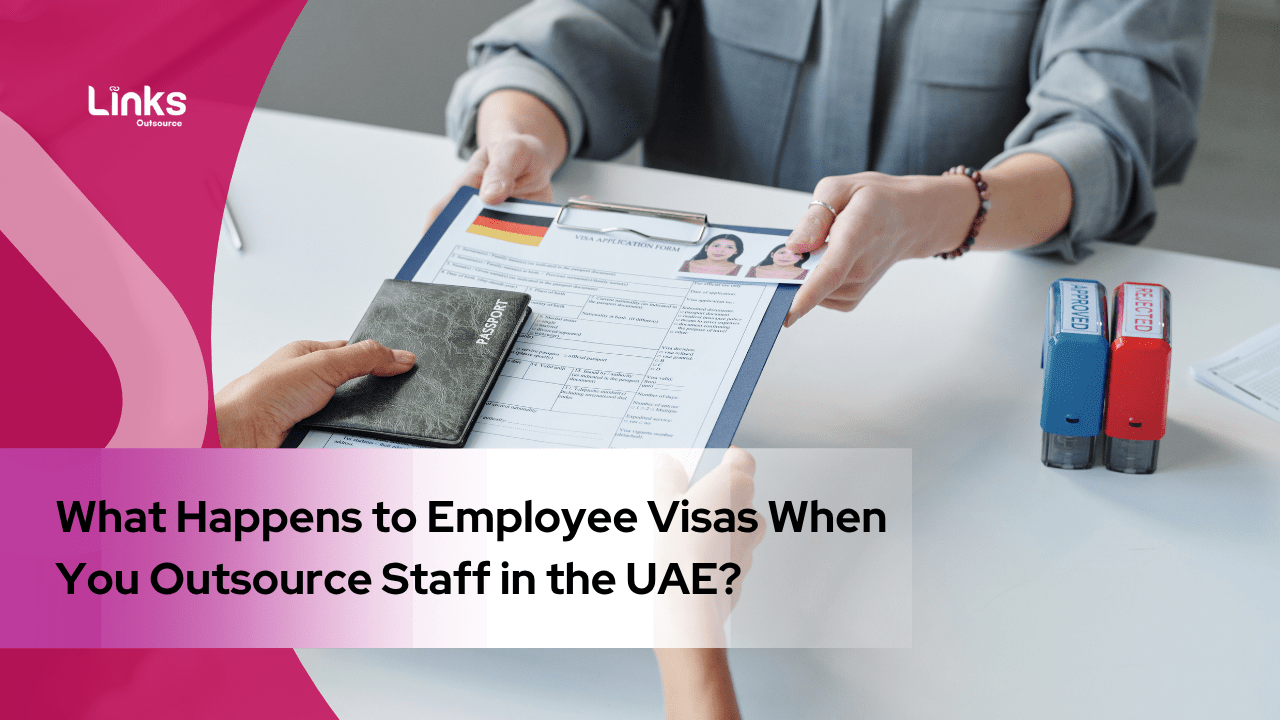
Employee outsourcing has become a preferred workforce solution for businesses across the UAE. It allows organizations to scale their teams quickly, reduce administrative burdens, and access specialist HR expertise without expanding their internal HR department. One question employers frequently ask before outsourcing is: “What happens to employee visas when staff are outsourced?” Understanding how visa sponsorship works is essential before entering into any outsourcing arrangement. Businesses need clarity on who sponsors the employee, who manages visa-related processes, and how responsibilities are shared between the client company and the outsourcing provider. This guide explains how employee visas generally work in staff outsourcing arrangements in the UAE and what employers should consider before choosing an outsourcing partner. Note: Visa sponsorship arrangements depend on the outsourcing model, licensing structure, contractual terms, and applicable UAE regulations. Employers should always confirm the specific responsibilities with their outsourcing provider. How Employee Outsourcing Works in the UAE In a staff outsourcing arrangement, a specialist provider employs workers on behalf of a client company. The outsourced employees typically perform their daily duties under the client’s operational supervision, while many employment administration responsibilities are managed by the outsourcing provider. Employee Outsourcing Services Often Include • Recruitment and candidate sourcing• Employment contracts• Payroll administration• HR documentation• Employee onboarding• Leave administration• Compliance support• Visa administration, where applicable The exact services depend on the outsourcing agreement. Who Sponsors the Employee Visa? One of the biggest misconceptions is that the client company always sponsors outsourced employees. In Many Outsourcing Arrangements The outsourcing provider may sponsor the employee’s work and residence visa where this forms part of the agreed service and is permitted under the provider’s licensing and the applicable regulations. This means the provider may coordinate employment-related immigration administration while the employee works for the client company. However, visa sponsorship structures can differ depending on: • The outsourcing model• The legal relationship between the parties• Company licensing• The type of workforce solution being provided Employers should confirm sponsorship arrangements before signing any agreement. What Visa Responsibilities Does the Outsourcing Provider Typically Handle? Where visa administration is included in the service, the provider generally manages much of the related administrative process. This May Include Employment Visa Processing Coordinating employment-related immigration procedures for eligible employees. Work Permit Administration Managing required employment authorisations where applicable. Emirates ID Coordination Supporting the employee through the Emirates ID process. Visa Renewals Tracking expiry dates and coordinating renewals. Employment Documentation Maintaining employment records connected with visa administration. Having one provider manage these activities helps simplify workforce administration. What Responsibilities Does the Employer Retain? Even when visa administration is outsourced, the client company continues managing operational responsibilities. The Employer Typically Handles Daily Work Management • Assigning work• Supervising employees• Managing productivity• Monitoring performance Workplace Integration • Team introductions• Operational training• Project allocation• Department coordination Health and Safety Employers remain responsible for maintaining a safe workplace and ensuring employees understand relevant workplace procedures. The employer continues directing business operations while the outsourcing provider manages agreed administrative responsibilities. Why Businesses Outsource Visa Administration Managing employment visas internally requires time, documentation, and ongoing coordination. Common Reasons Businesses Outsource Visa Administration • Reduced administrative workload• Faster employee onboarding• Improved document management• Better compliance support• Easier renewal tracking• More efficient workforce administration Outsourcing enables businesses to focus on operations rather than immigration-related administration. What Should Businesses Confirm Before Outsourcing Employees? Not every outsourcing arrangement is identical. Before Signing an Agreement, Ask 1. Who Will Sponsor the Employee? Clarify which party will act as the sponsoring employer where applicable. 2. What Visa Services Are Included? Understand whether the provider manages: • Employment visa processing• Renewals• Emirates ID coordination• HR documentation 3. What Are the Employer’s Responsibilities? Confirm which workforce management responsibilities remain with your business. 4. How Is Compliance Managed? Discuss how the provider supports employment administration and regulatory requirements. Clear expectations reduce misunderstandings later. Benefits of Outsourcing Employee Visa Administration Businesses that outsource employment administration often gain operational advantages. Key Benefits Include • Simplified workforce management• Reduced HR administration• Faster recruitment and onboarding• Improved document organisation• Better compliance support• More efficient HR operations These advantages are particularly valuable for businesses managing large or growing workforces. Industries That Commonly Outsource Employees Employee outsourcing is widely used across many sectors. Common Industries Include • Construction and engineering• Healthcare• Hospitality• Retail• Logistics and supply chain• Manufacturing• Information technology• Facilities management• Professional services Businesses in these industries often benefit from flexible workforce solutions. Common Misconceptions About Employee Visas and Outsourcing Several misconceptions can create confusion. Myth 1: Every Outsourced Employee Has the Same Visa Arrangement Visa sponsorship depends on the outsourcing structure, service agreement, and applicable legal requirements. Myth 2: The Client Company Has No Responsibilities The employer continues managing the employee’s operational work, workplace integration, and performance. Myth 3: Outsourcing Removes the Need for Compliance Both the client and outsourcing provider should understand and fulfil their respective legal and contractual responsibilities. How to Choose the Right Outsourcing Provider Choosing the right provider is just as important as choosing the right employees. Evaluate Providers Based On 1. Industry Experience Select a provider with experience supporting your sector. 2. Recruitment Capability Assess how efficiently they source qualified candidates. 3. Compliance Knowledge Choose a provider familiar with UAE employment and immigration procedures. 4. HR Technology Modern systems improve payroll, reporting, and workforce visibility. 5. Client Reputation Review testimonials, case studies, and long-term client relationships. A trusted outsourcing partner helps businesses manage workforce administration more effectively. Final Thoughts Employee visa administration is one of the many reasons businesses choose staff outsourcing in the UAE. Depending on the outsourcing arrangement, the provider may manage visa sponsorship, employment documentation, payroll administration, and other HR processes, while the client company continues directing employees’ daily work and operational responsibilities. Understanding how responsibilities are divided before entering an outsourcing agreement helps businesses avoid confusion, improve workforce planning, and maintain efficient HR operations. By partnering with an experienced outsourcing provider, companies can streamline employee administration, strengthen compliance support, and focus on achieving their business objectives. FAQ: Employee Visas … Read more